Published on PeptideLab | Read time: 9 min | Last updated: October 2026
The Frustrating Experience
You’ve been on retatrutide. The first few weeks were incredible—appetite vanished, food noise disappeared, you forgot to eat. Then suddenly, one week, you’re starving again.
Browse our full peptide catalog
Your first thought: “Did the retatrutide stop working?”
It probably didn’t. Here’s what’s actually happening.
Reason 1: Your Body Adapts
The dramatic appetite suppression you feel early on naturally becomes less noticeable over time. This is pharmacological tolerance—your body adapts to consistent receptor activation.
What’s happening biologically:
– GLP-1 receptors show some desensitization with chronic activation
– The hypothalamus adjusts its sensitivity to satiety signals
– Gastric emptying rate may normalize somewhat
What this means:
You may still be getting a meaningful effect from retatrutide, but that intense “I forgot to eat for 8 hours” feeling won’t stay forever. And that’s normal.
The key question: Are portions still smaller? Is food noise still lower overall? Is weight still trending down? If yes, the medication is still working—just less aggressively.
Reason 2: Your Body Fights Back
If you’ve been eating extremely low calories for weeks, your body will start mounting a counter-response:
Hormonal changes:
– Ghrelin (hunger hormone) increases
– Leptin (satiety hormone) decreases
– Thyroid hormones may drop
– Cortisol may increase
Metabolic adaptation:
– Resting metabolic rate decreases
– Energy expenditure drops
– Non-exercise activity thermogenesis (NEAT) decreases
This is evolutionary—your body is designed to defend against perceived starvation. When hunger returns after weeks of suppression, it’s often your body’s legitimate response to prolonged caloric deficit, not medication failure.
Reason 3: Your Activity Changed
Did you recently:
– Start harder training?
– Add more cardio?
– Go from 6,000 to 12,000 steps daily?
Any of these increase your energy demands. If your energy output goes up and your intake doesn’t adjust accordingly, hunger is a biological signal that you need more fuel—not that retatrutide failed.
Common scenario: You start exercising more, expect weight loss to accelerate, but instead feel hungrier. The medication hasn’t stopped working; your body simply needs more energy.
Reason 4: Sleep and Stress
A few nights of poor sleep can make appetite and cravings noticeably stronger—even while on GLP-1/GIP/glucagon receptor activation.
Sleep deprivation effects:
– Increases ghrelin
– Decreases leptin
– Disrupts prefrontal cortex function (willpower center)
– Increases cravings for high-calorie foods
Stress effects:
– Elevates cortisol
– Increases appetite
– Promotes visceral fat storage
– Affects glucose metabolism
When sleep suffers and stress rises, the appetite-suppressing effects of retatrutide can feel diminished, even though the drug’s mechanism is unchanged.
Reason 5: Your Dose May Need Adjustment
After months on a stable dose, your body may have adapted enough that the current dose no longer produces the same level of appetite control. This doesn’t mean the medication stopped working—it may mean dose optimization is needed.
Factors affecting dose requirements:
– Weight loss reduces volume of distribution
– Metabolic adaptation may require higher receptor activation
– Individual metabolism varies
Retatrutide’s dose escalation protocol exists for this reason. If you’re not at your optimal dose, appetite control will be suboptimal.
How to Judge Whether Retatrutide Is Still Working
Don’t rely on a single hungry day. Look at the bigger picture:
| Indicator | What to Track |
|---|---|
| Portion size | Are meals still smaller than baseline? |
| Satiety speed | Do you still feel full faster? |
| Food noise | Is the mental chatter about food still reduced? |
| Weekly trend | Is weight still declining over 2-4 week periods? |
| Waist measurement | Is body composition improving? |
| Energy levels | Are you maintaining activity? |
If most of these are still favorable, retatrutide is likely still effective.
When Hunger Is a Signal, Not a Failure
Sometimes hunger returning is your body telling you something important:
| Signal | What It Might Mean |
|---|---|
| Persistent hunger despite eating | Need more protein or fiber |
| Craving specific foods | Possible nutrient deficiency |
| Hunger after exercise | Need more fuel for activity |
| Evening hunger | Could be stress or boredom |
| Morning hunger | Normal circadian rhythm |
Listening to these signals doesn’t mean abandoning retatrutide. It means using the data the medication gives you—combined with your body’s feedback—to optimize your approach.
Practical Strategies
If Hunger Returns Gradually
- Increase protein intake — 1.6-2.2g per kg body weight
- Add fiber — Vegetables, psyllium, glucomannan
- Stay hydrated — Sometimes thirst masks as hunger
- Manage stress — Meditation, walking, breathing exercises
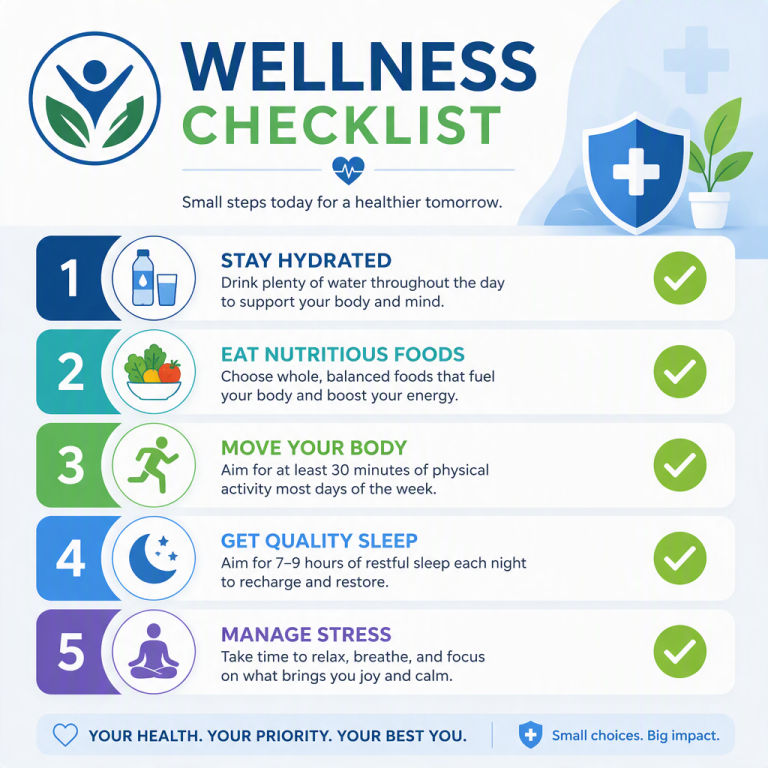
- Prioritize sleep — 7-9 hours nightly
If Hunger Is Severe
- Contact your provider — Dose adjustment may be needed
- Review calorie intake — Ensure adequate nutrition
- Check activity levels — Adjust based on exercise
- Consider a diet break — Temporary maintenance can reset hunger signals
The Bottom Line
Hunger returning on retatrutide doesn’t equal treatment failure. Adaptation is expected. Lifestyle changes matter. Sleep and stress are invisible drivers of appetite. And dose optimization is a normal part of long-term management.
Judge retatrutide by the cumulative picture—not by how hungry you feel on any single day.
Disclaimer: Always discuss appetite changes and dose adjustments with your prescribing healthcare provider.