Browse Categories
Select a category or search for specific topics
All Articles

Retatrutide Non-Scale Victories: Successes the Scale Can’t Measure
Retatrutide does more than move numbers on a scale. Some of the most meaningful changes happen in areas the scale simply can't measure.
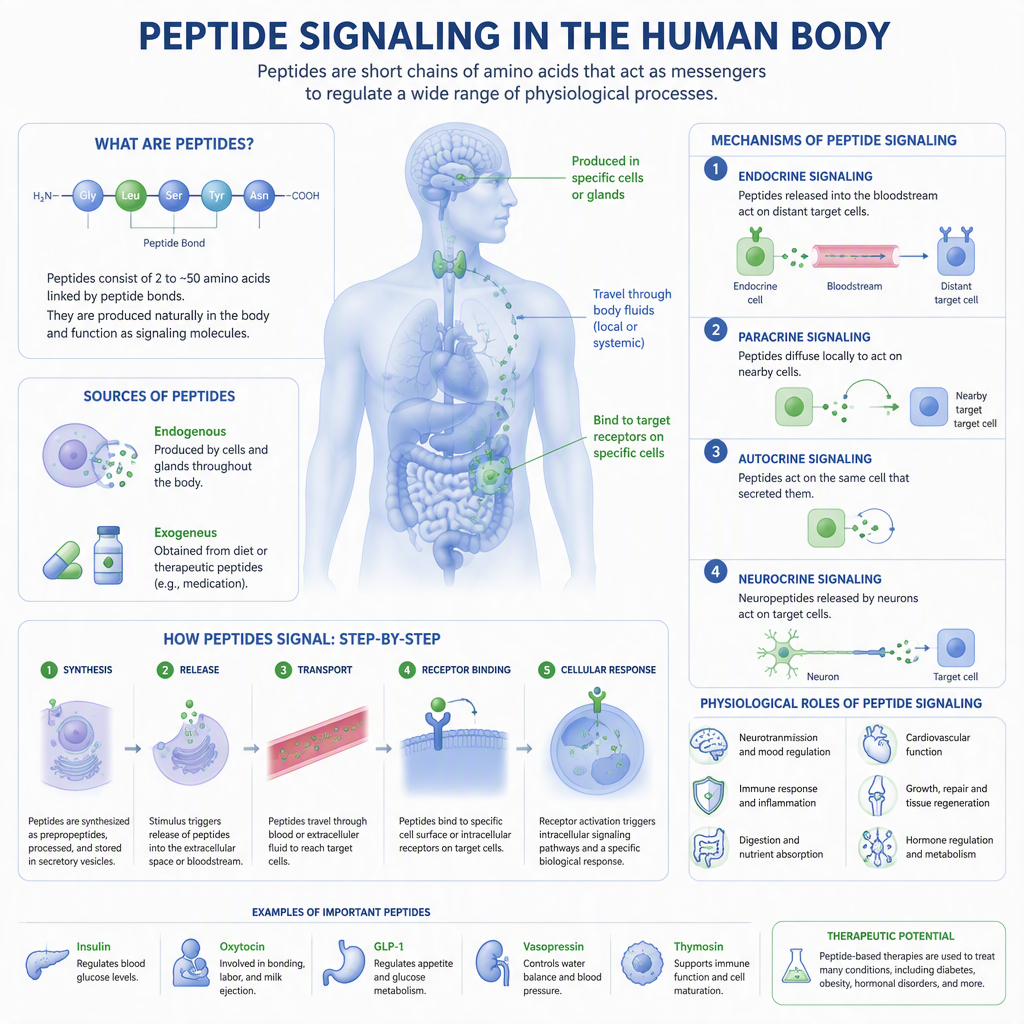
Peptides 101: The Complete Beginner’s Guide to Signal Molecules
Peptides are short chains of amino acids—the same building blocks that make up proteins. But calling peptides "tiny proteins" misses what makes them interesting.
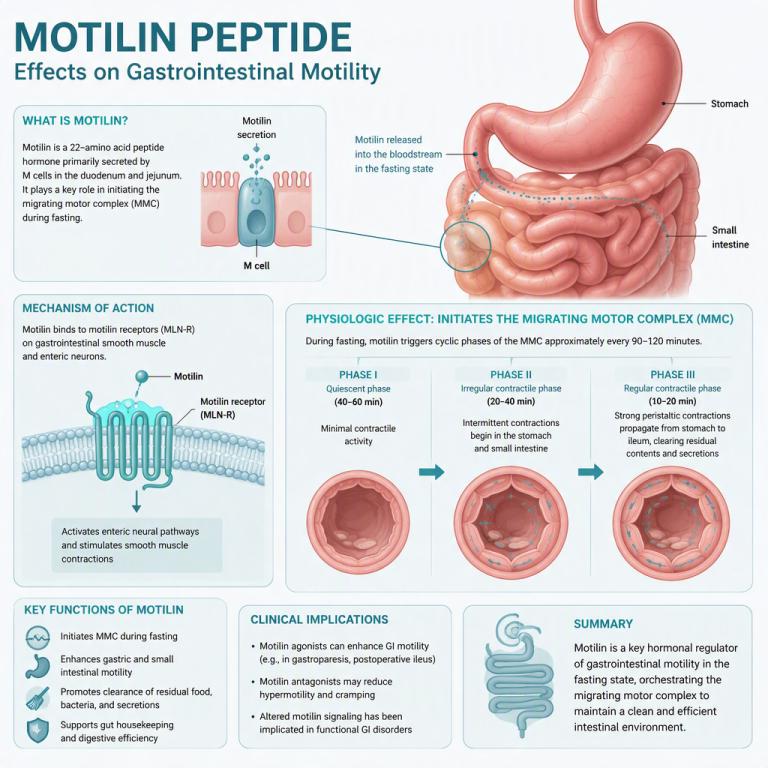
BPC-157 for Gut Health: The Gut-Healing Peptide
BPC-157 was discovered in human gastric juice—and it makes sense that it has such strong effects on the gut. The peptide appears to be part of your body's natural healing system.
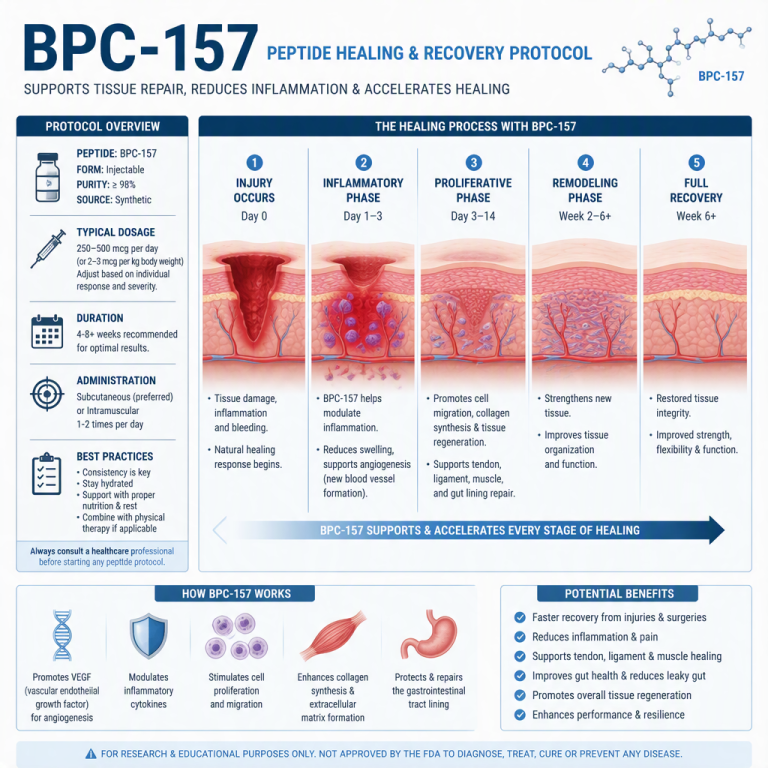
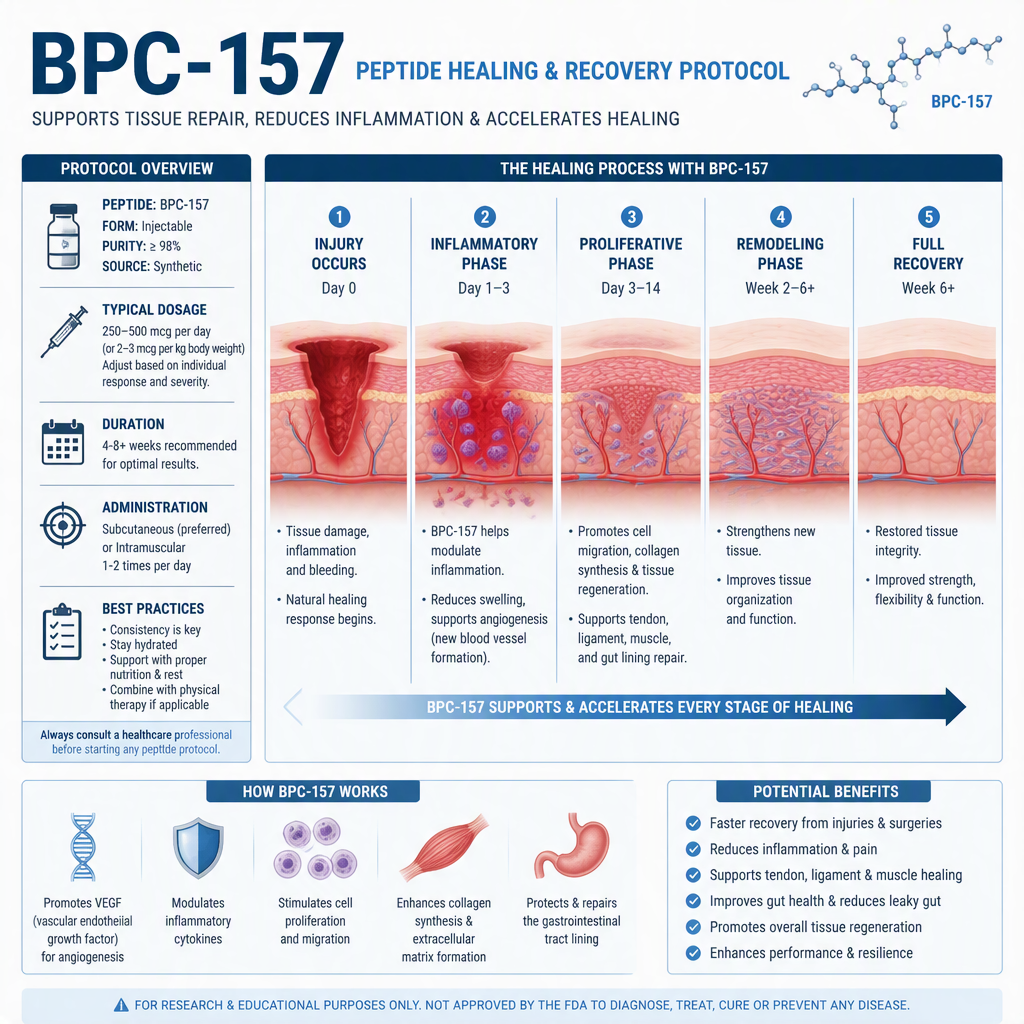
BPC-157 Recovery Protocol: Complete Guide
BPC-157 (Body Protection Compound-157) is a pentadecapeptide derived from human gastric juice. It's one of the most researched recovery peptides, with applications ranging from…
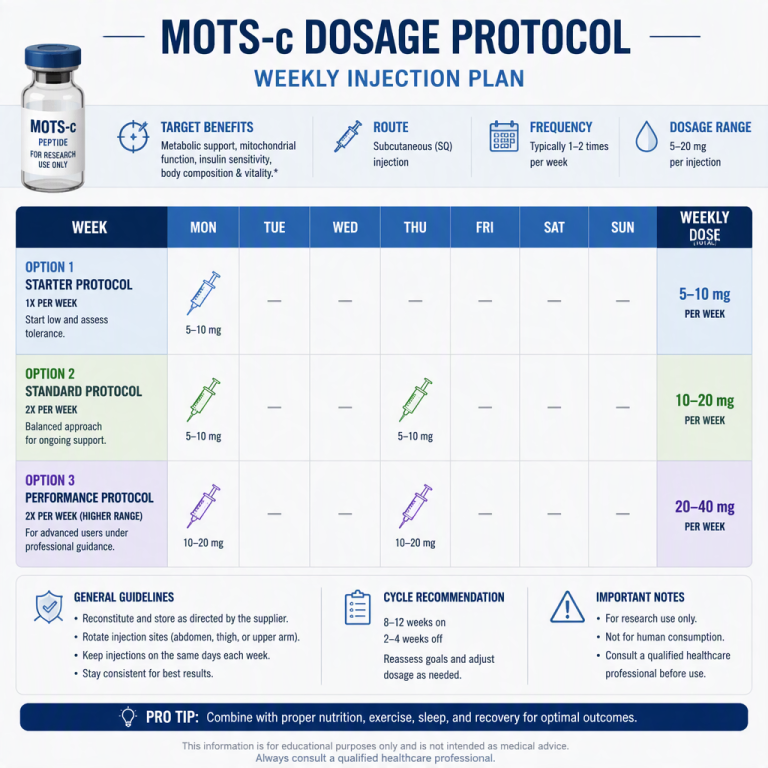
MOTS-c Dosage Guide: What the Research Suggests
Most MOTS-c dosing information comes from animal studies. Human data is limited but growing.
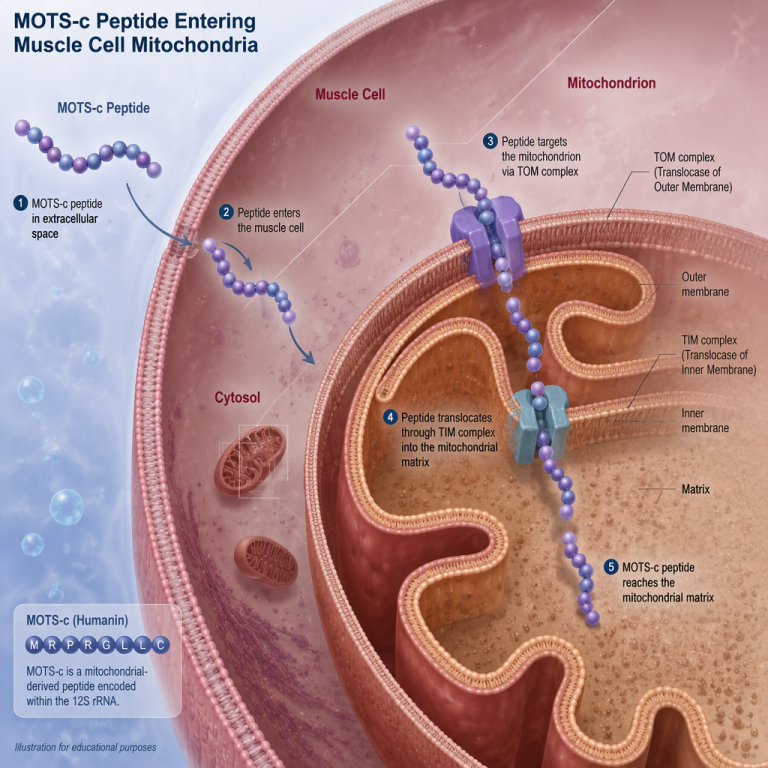
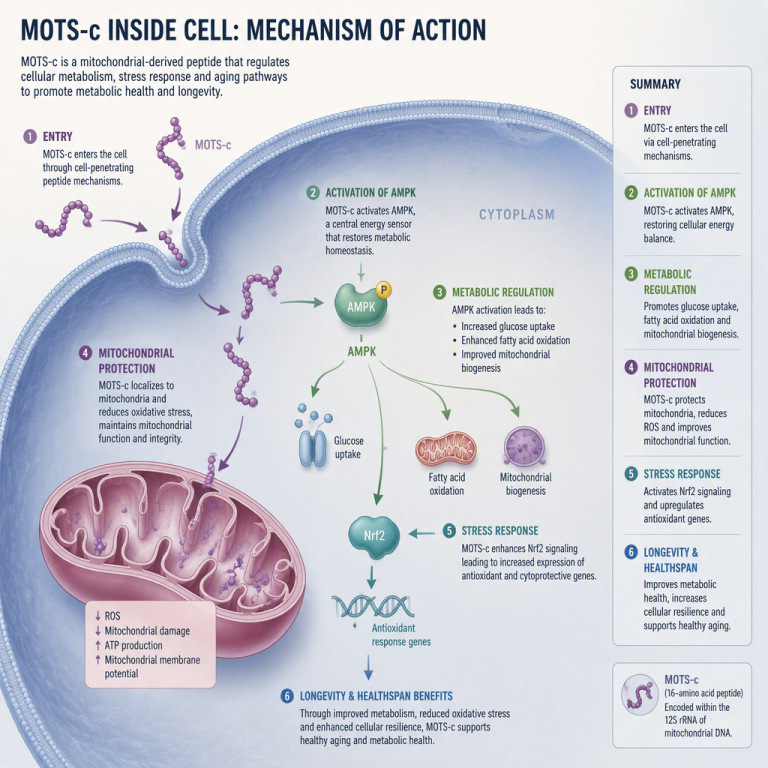
MOTS-c Inside the Cell: How a Tiny Peptide Changes Everything
MOTS-c is unique among peptides because it can enter cells directly—not just bind surface receptors and send signals outward. It crosses the cell membrane and works inside the…
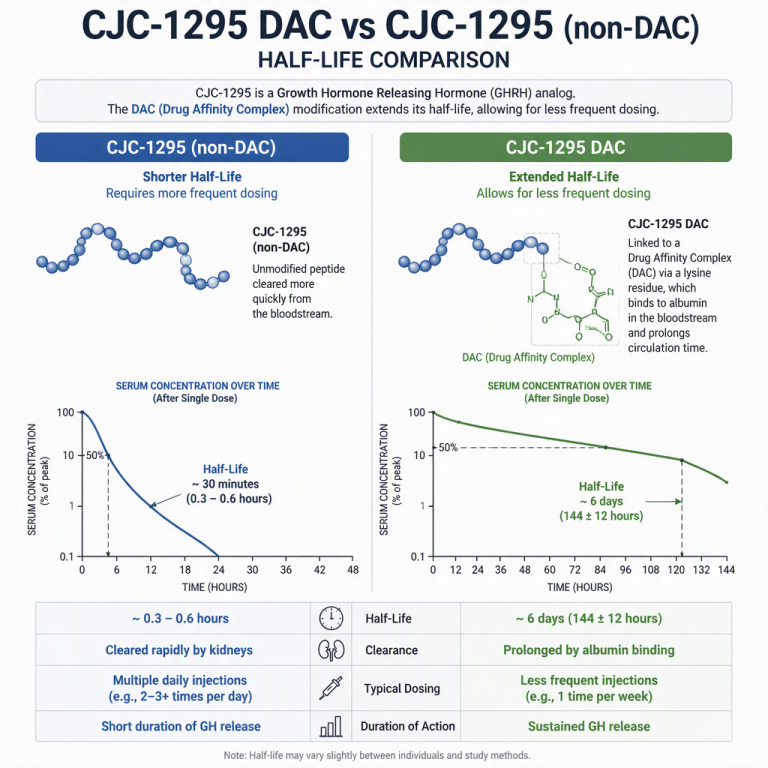
CJC-1295 Without DAC: The Faster-Acting GHRH
CJC-1295 comes in two forms: - With DAC (Drug Affinity Complex): Binds to albumin, lasts ~6-8 days - Without DAC: Clears quickly, lasts ~30-60 minutes
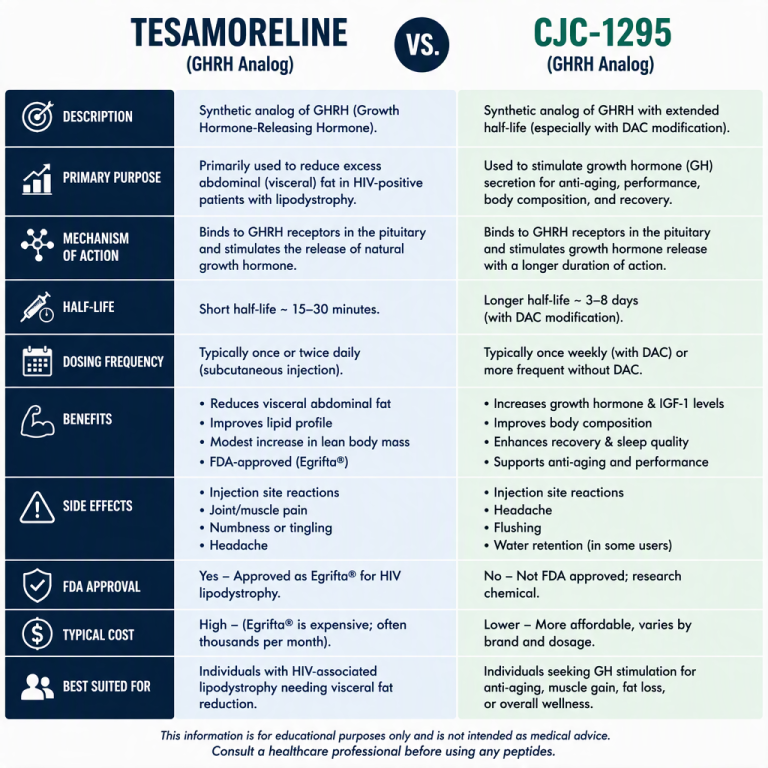
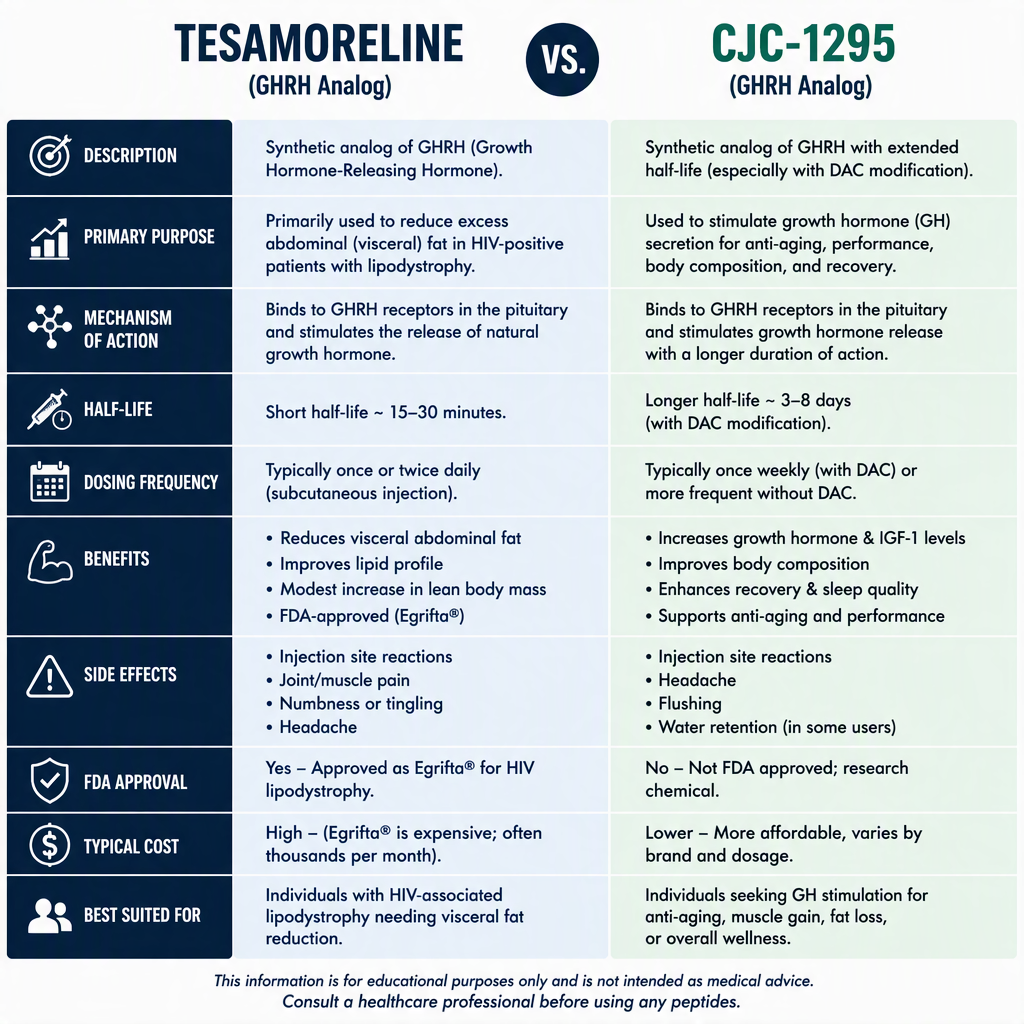
Tesamoreline vs CJC-1295: Which GHRH Analog Wins?
Both tesamoreline and CJC-1295 are growth hormone-releasing hormone (GHRH) analogs—synthetic versions of the hormone your pituitary naturally produces. They both stimulate GH…

5 Early Signs Retatrutide Is Working (Before Weight Loss Appears)
Many people start retatrutide and watch the scale obsessively. When numbers don't move fast enough, they worry the medication isn't working.
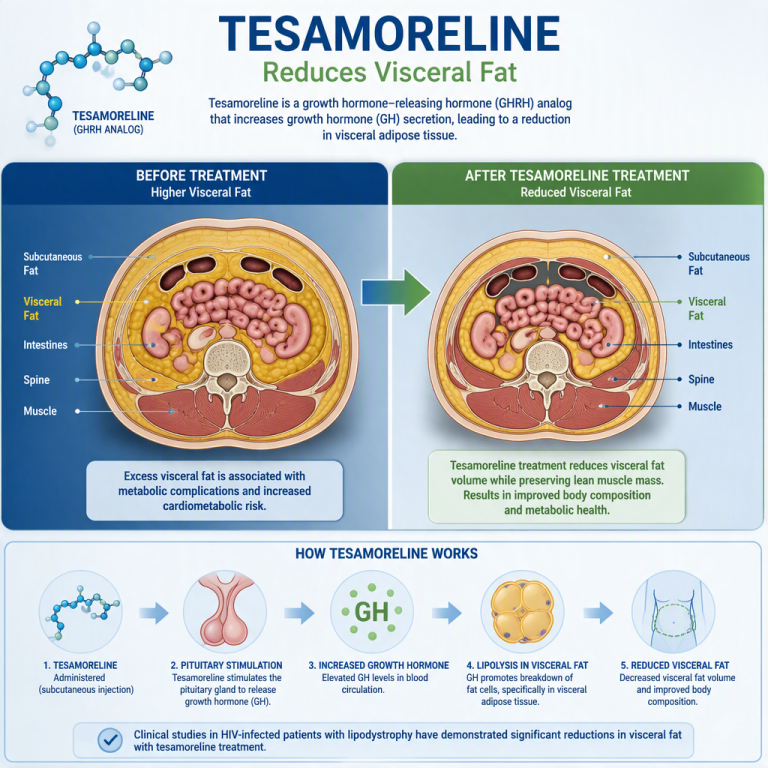
Tesamoreline for Visceral Fat: The Evidence and the Reality
Visceral fat surrounds your internal organs and is strongly linked to: - Metabolic syndrome - Type 2 diabetes - Cardiovascular disease - Inflammation - Hormonal disruption

Tesamoreline Timeline: When to Expect Results
Tesamoreline is a growth hormone-releasing hormone (GHRH) analog that stimulates natural GH production from the pituitary gland. Unlike synthetic GH injections, it works through…
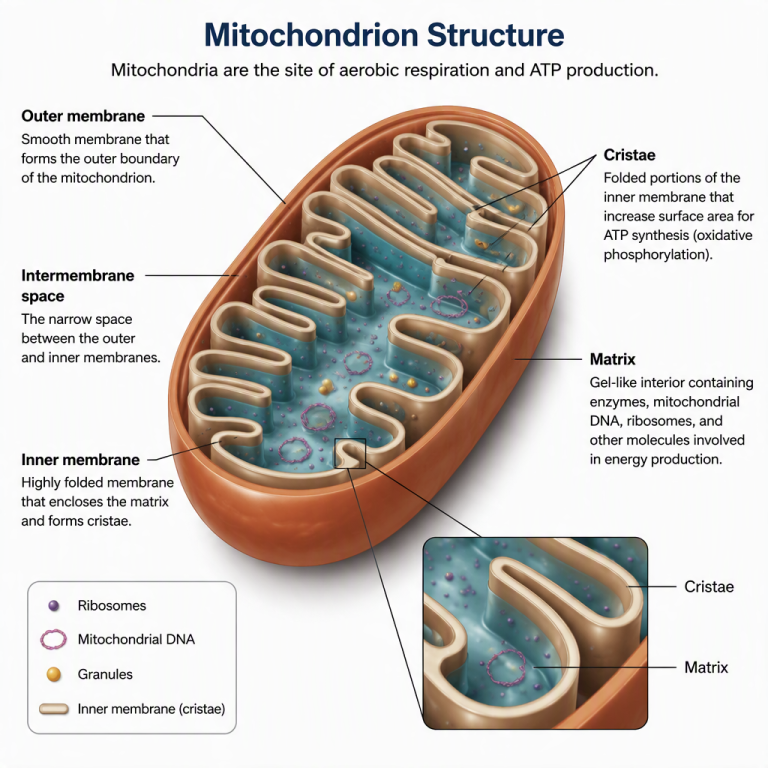
Mitochondrial Peptides: A Comprehensive Guide to Cellular Energy Optimization
Mitochondria are often called the "powerhouses" of cells, but that understates their importance. They're central to: - Energy production (ATP) - Metabolic regulation - Cellular…
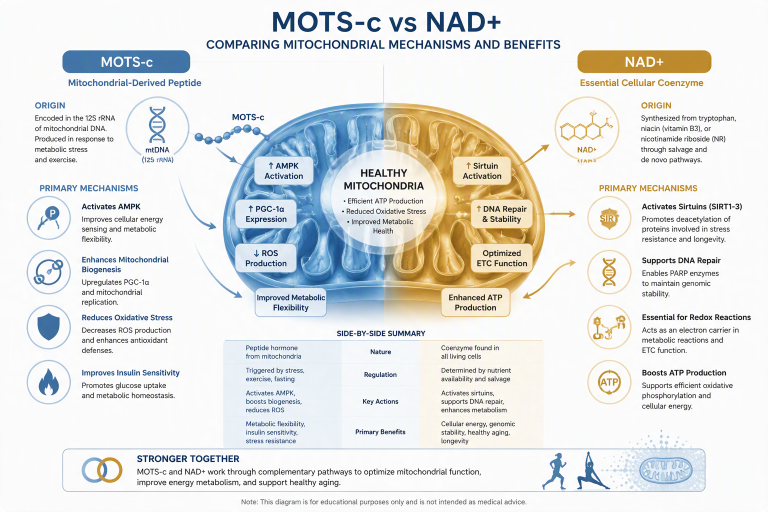
MOTS-c vs NAD+: Which Mitochondrial Peptide Wins?
Both MOTS-c and NAD+ precursors target mitochondrial function—but through completely different mechanisms. Understanding the difference helps you choose the right approach.
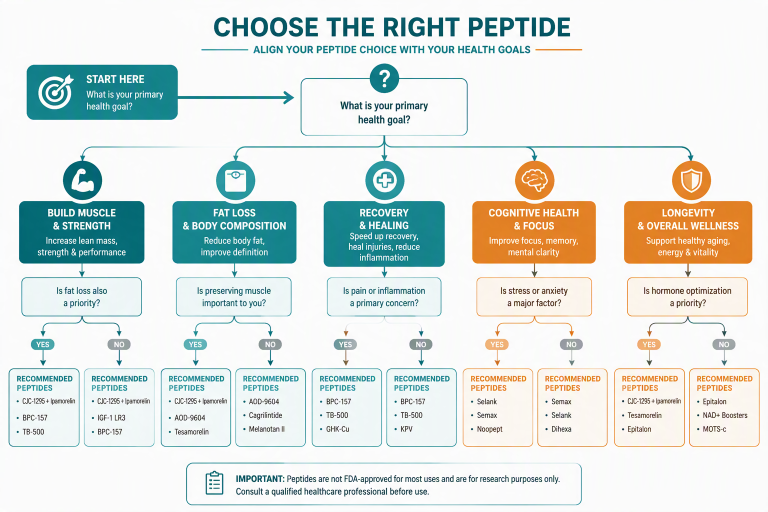
How to Choose the Right Peptide: A Decision Framework
The peptide space offers dozens of compounds for various goals. Without a framework, it's easy to get overwhelmed or make poor choices.
Retatrutide Hunger Returns: 5 Common Causes and Solutions
You've been crushing it on retatrutide. Appetite was suppressed, food noise was gone, weight was falling off. Then one day—suddenly, you're starving.
Why Your Retatrutide Appetite Control Suddenly Fades (And What It Means)
You've been on retatrutide. The first few weeks were incredible—appetite vanished, food noise disappeared, you forgot to eat. Then suddenly, one week, you're starving again.
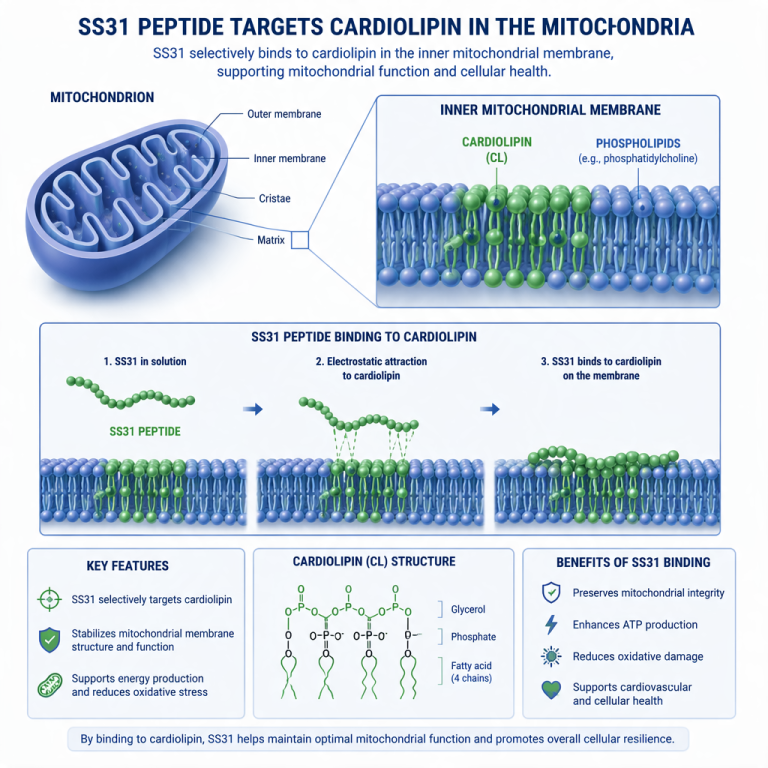
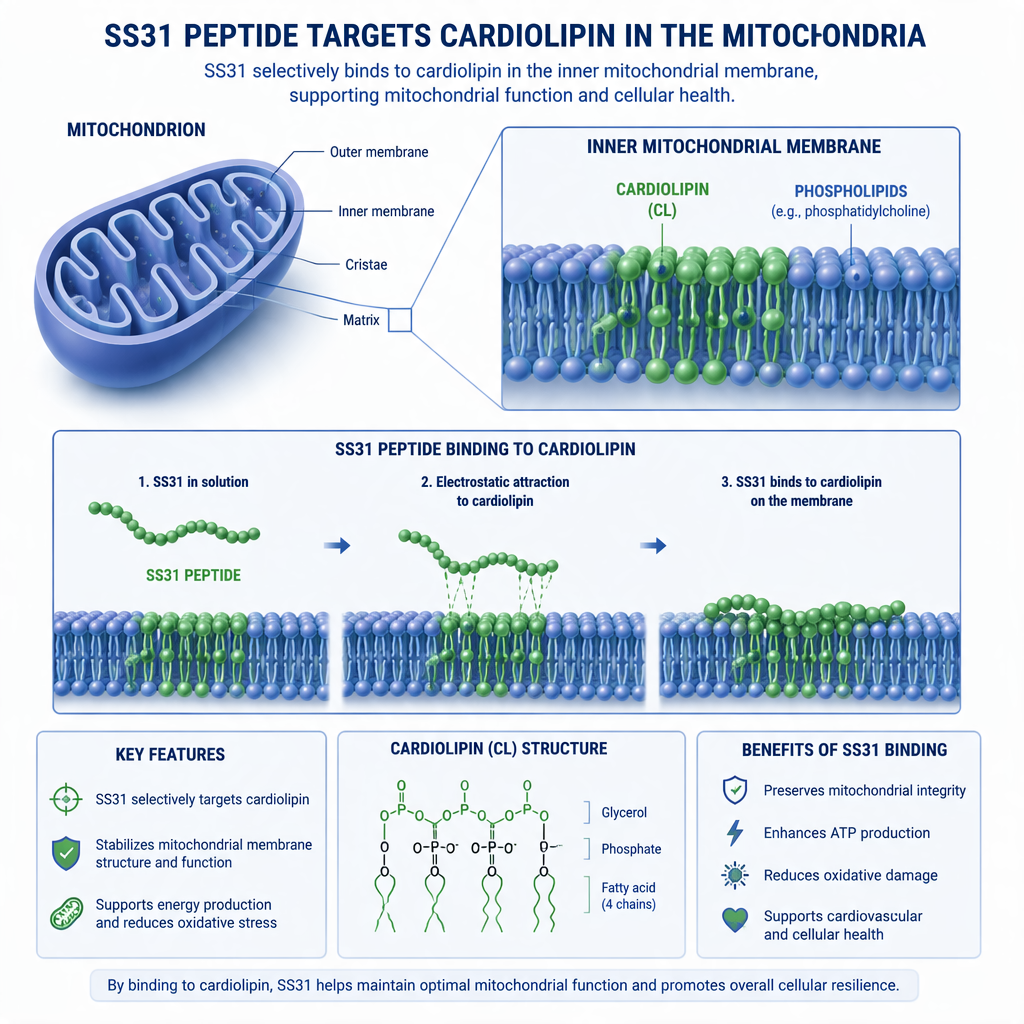
Mitochondrial Health: Why SS31 Matters More Than You Think
Mitochondria are the powerhouses of your cells—but they're also a major source of oxidative stress. When they dysfunction, everything suffers.
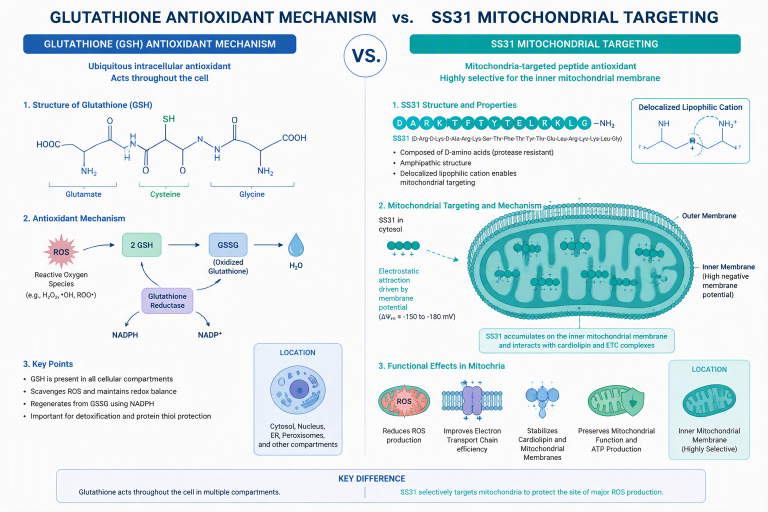
Glutathione vs SS31: Complementary Antioxidant Strategies
Glutathione and SS31 both get discussed for oxidative stress. They share a goal—protecting cells from damage—but achieve it through completely different mechanisms.
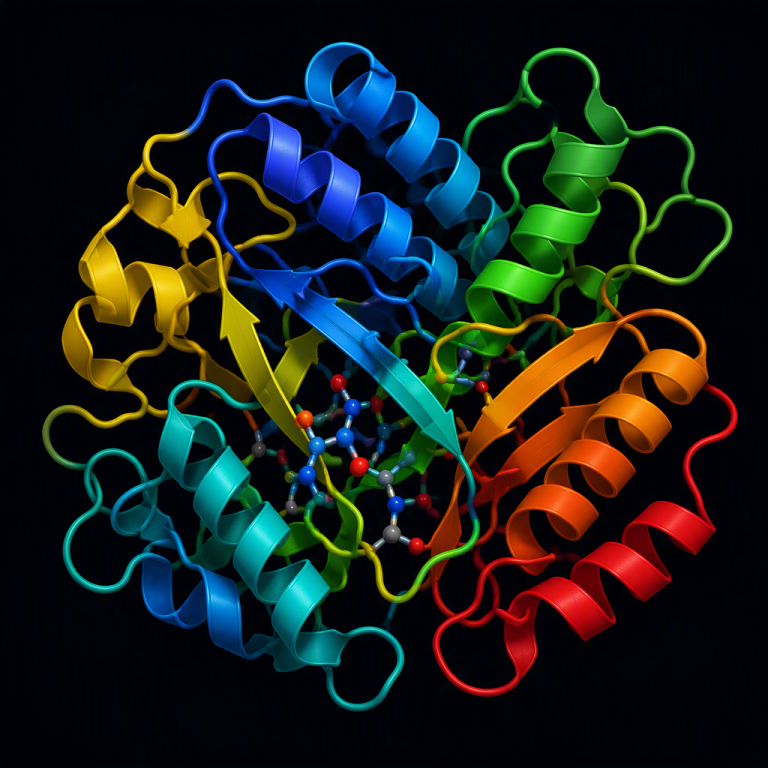
GHK-Cu for Hair Growth: The Science Behind the Popular Trend
Hair loss affects millions of people worldwide. While many treatments exist, GHK-Cu has emerged as a promising option with a unique mechanism of action.
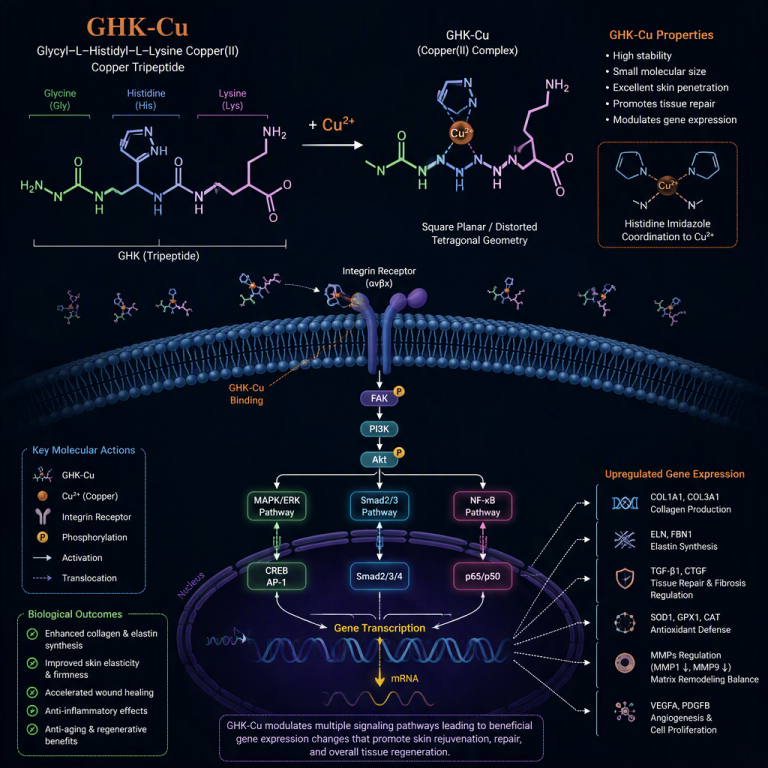
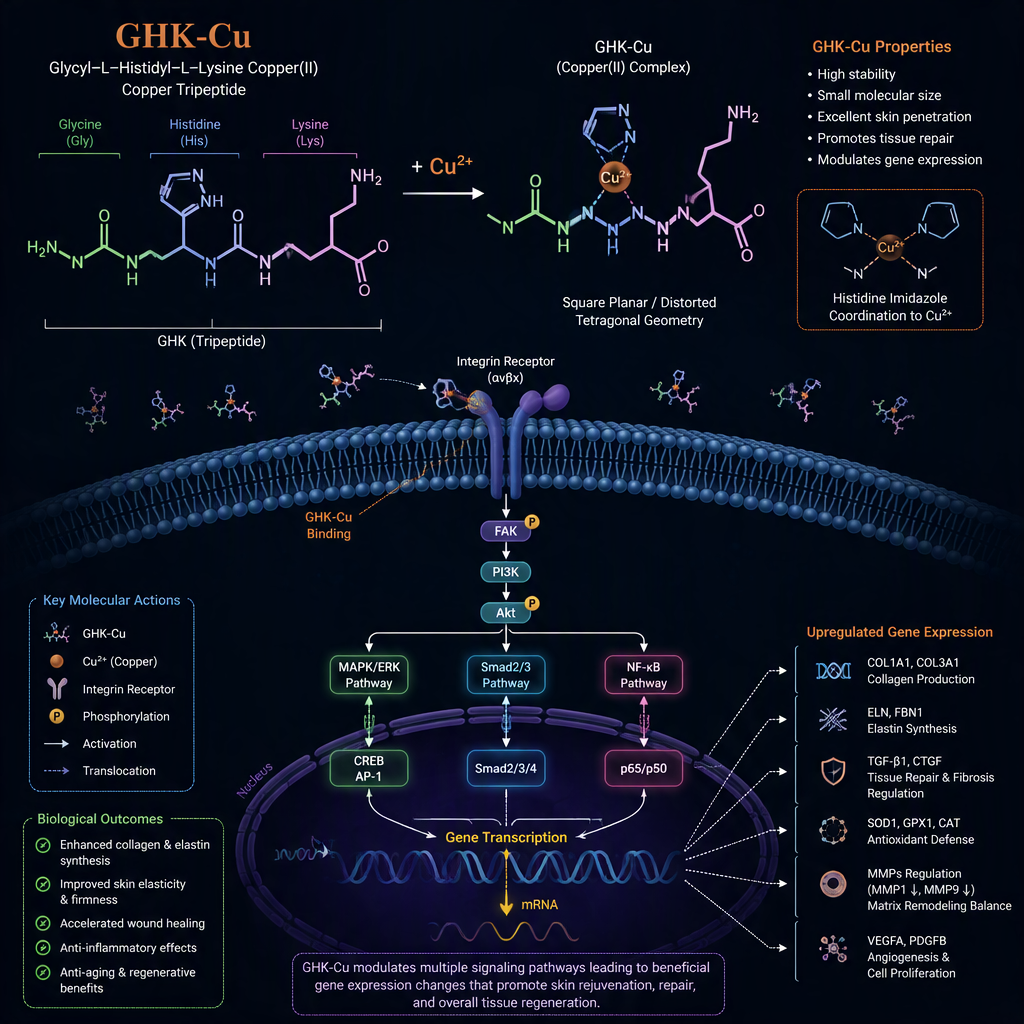
GHK-Cu Deep Dive: The Copper-Binding Peptide with 4,000 Gene Effects
GHK-Cu gets talked about for skin and hair all the time. But calling it "just a skin peptide" massively undersells what's happening underneath the surface.
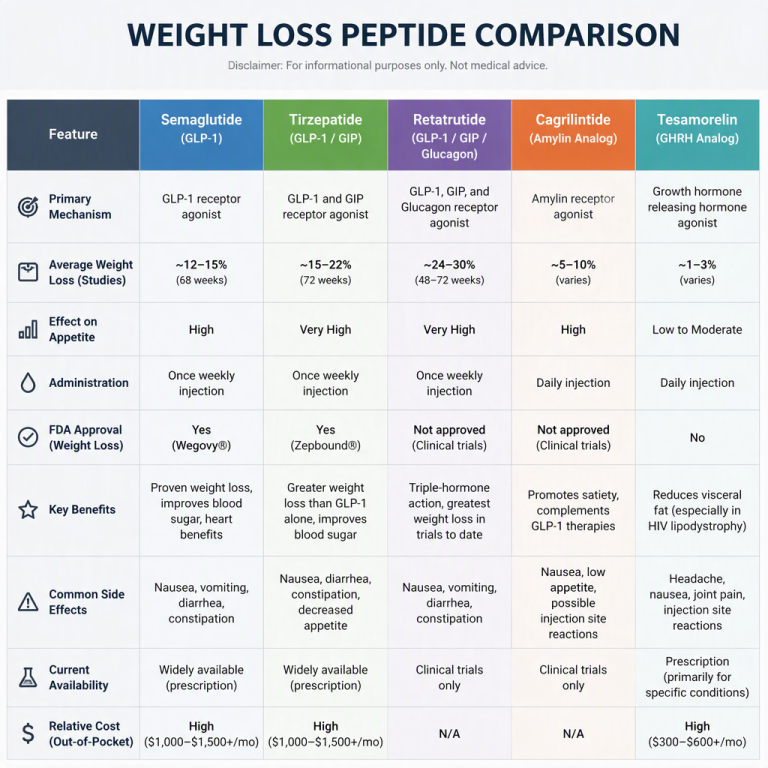
Understanding Retatrutide Plateaus: Why Weight Loss Slows Down
If you've been on retatrutide for a while and weight loss has slowed or stopped, you're not alone. Plateaus are a normal part of the weight loss journey—even with medication.
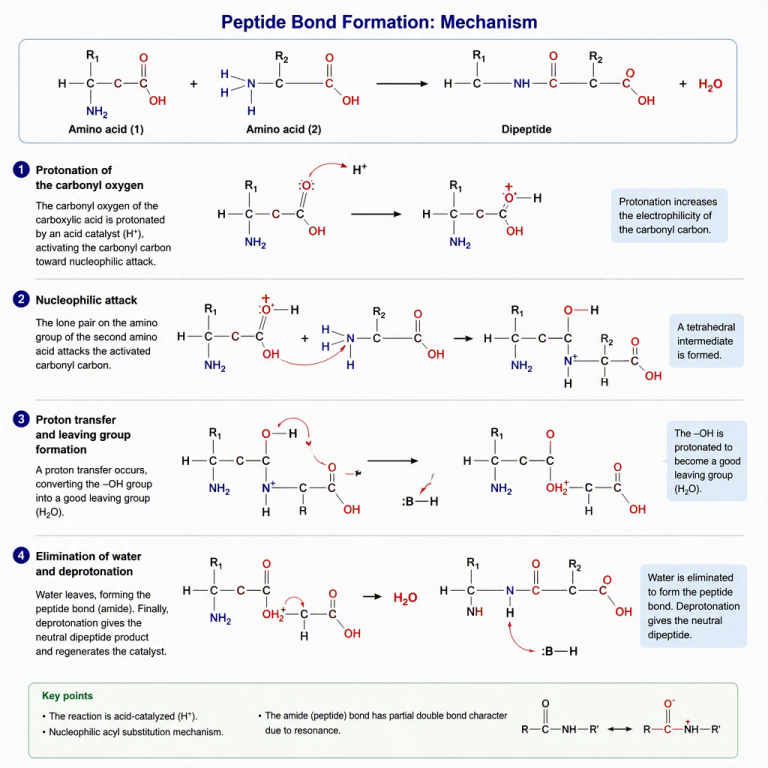
Retatrutide Month 1 vs Month 3: Why the Experience Changes
If retatrutide has felt completely different during month 1 versus month 2 or 3, there's a reason for that—and it's entirely normal.
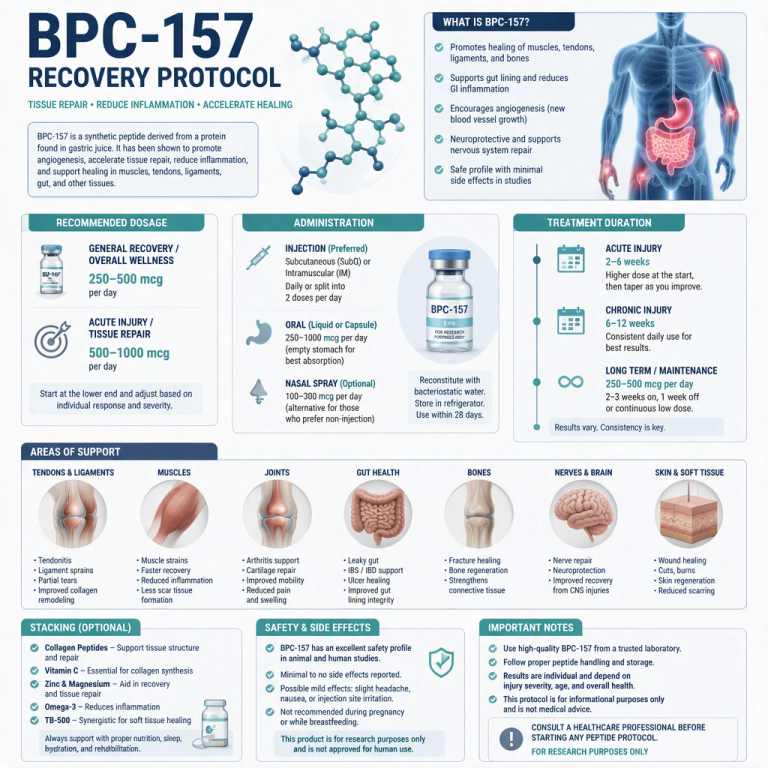
Retatrutide Dosing Schedule: How Dose Escalation Affects Results
Retatrutide uses a gradual dose escalation protocol—and there's good reason for this. Understanding why helps you navigate the treatment more effectively.
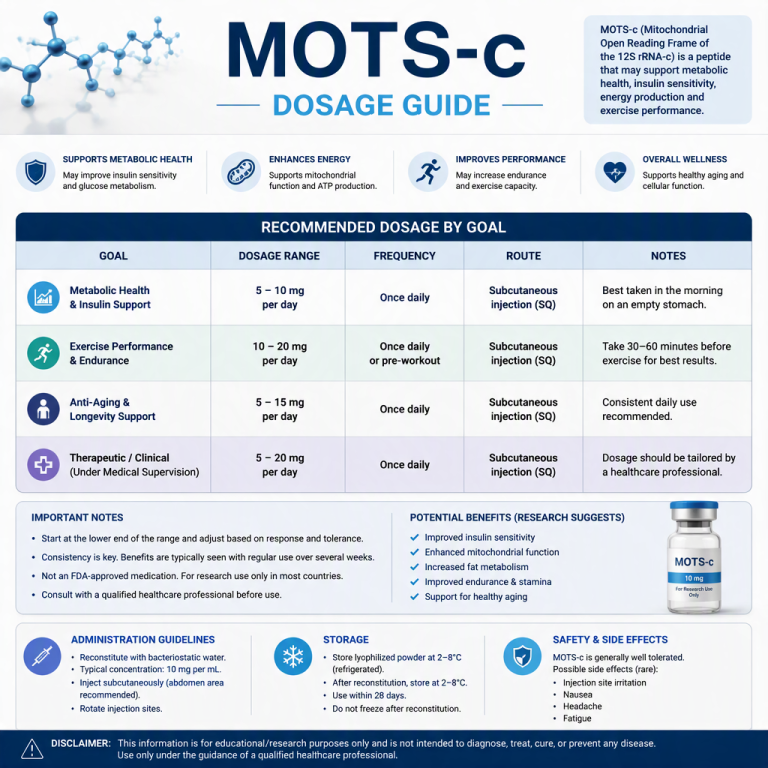
Retatrutide Timeline: Week 1 vs Week 12 What to Expect
If you've started retatrutide, you may have noticed something surprising: week 1 feels completely different from week 12. Your appetite, your energy, your side effects—all of it…
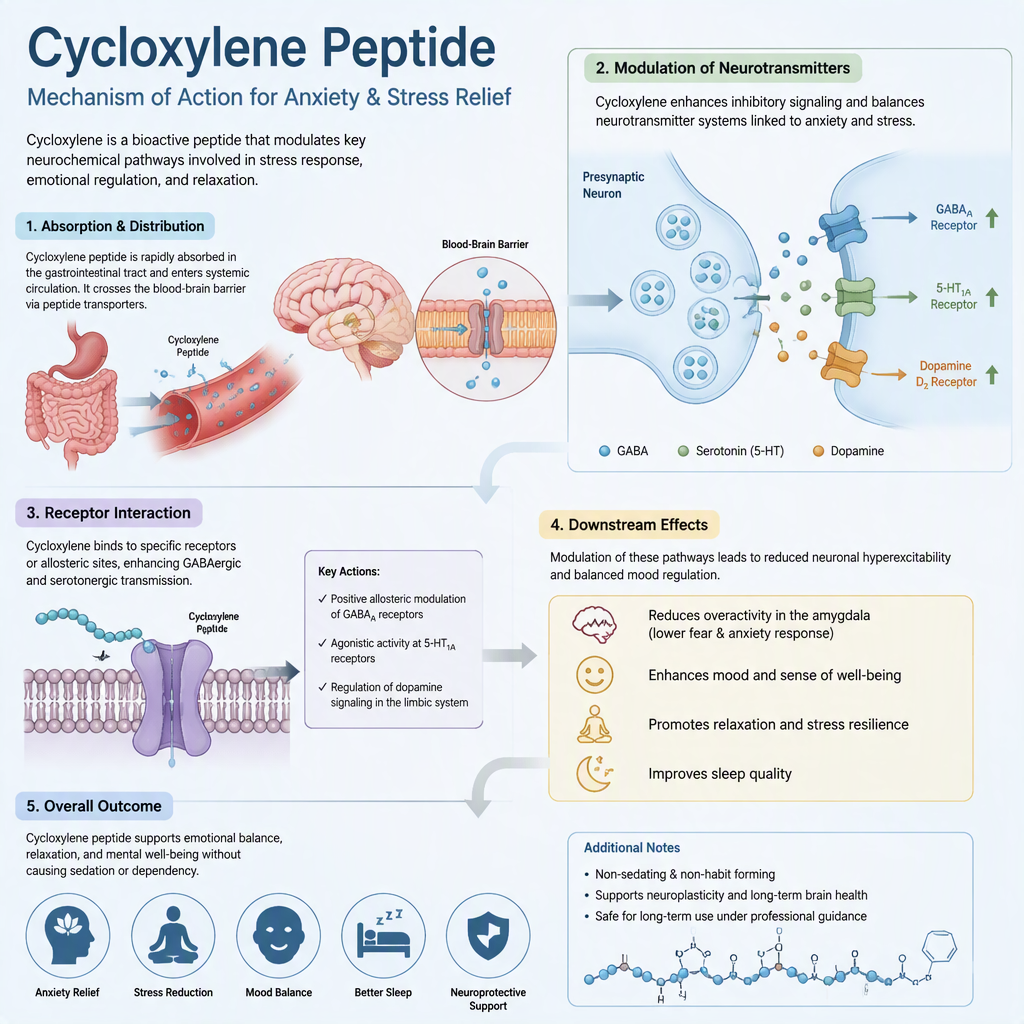
The Calm Peptide: How Cycloxylene Modulates Stress and Focus
We live in an age of constant stimulation. Notifications, emails, deadlines, news cycles—our nervous systems are under near-constant attack. The result? Elevated cortisol…
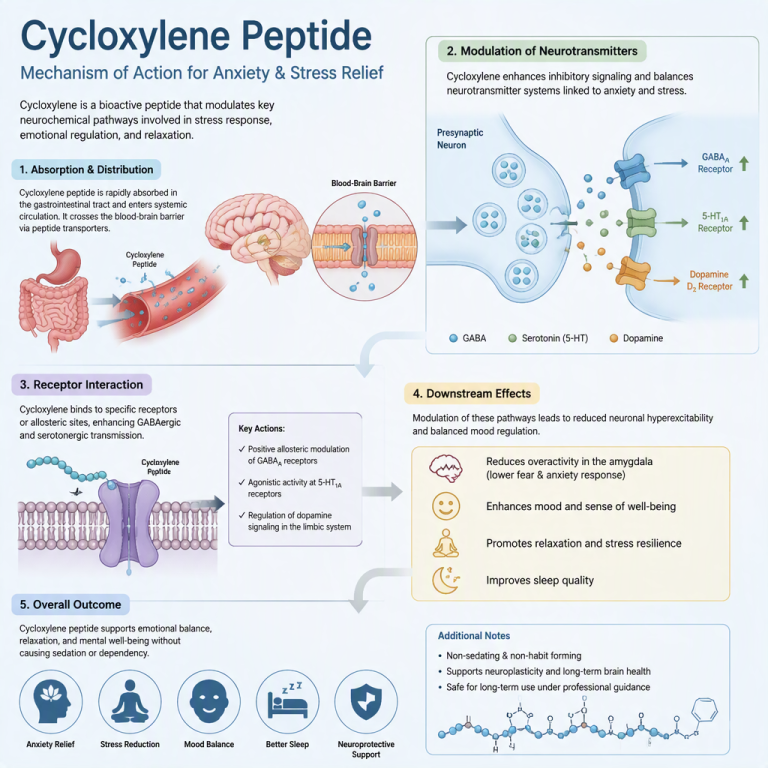
Cycloxylene (CYCLOX): Beyond Anxiety — Five Research-Backed Benefits
Most people hear "cycloxylene" and immediately think anxiety. That's one primary reason people research it—but cycloxylene does significantly more than reduce nervous tension.

Senolytic Therapy Explained: Clearing Zombie Cells for Healthy Aging
Every day, your body produces billions of new cells. Most live out their natural lifespan and are replaced. But some cells enter a state called senescence—they stop dividing but…
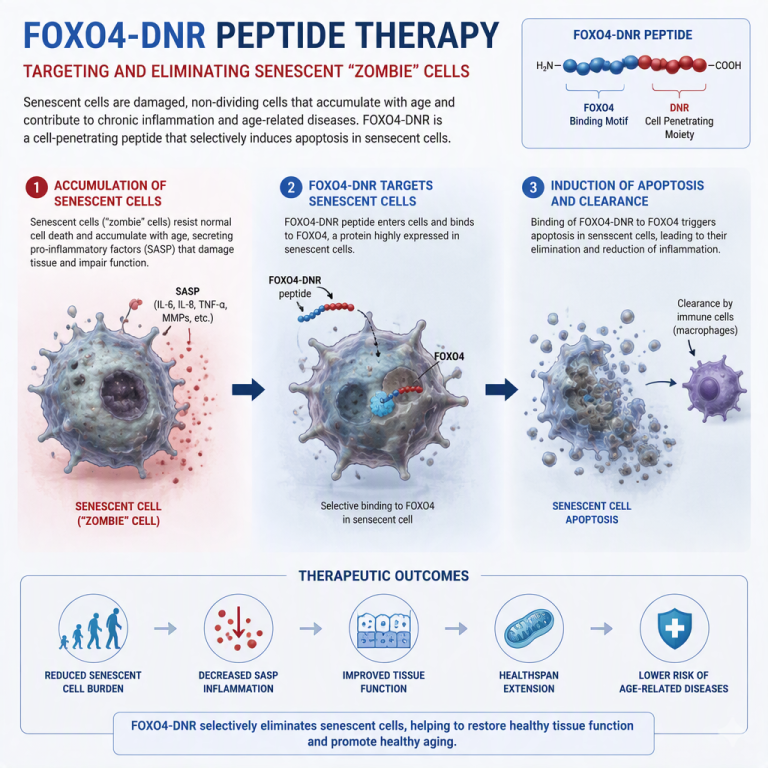
FOXO4-DNR: The Senolytic Peptide That Targets Zombie Cells
As we age, our bodies accumulate cells that should have died but didn't. These are called senescent cells—and they're one of the primary drivers of aging and age-related disease.
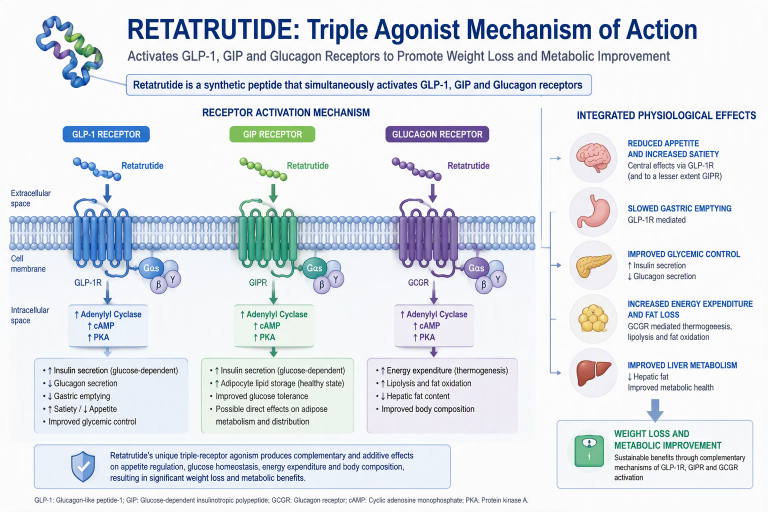
How Retatrutide Works: GLP-1, GIP, and Glucagon Receptors Explained
Retatrutide's effectiveness doesn't come from a single clever trick—it comes from attacking obesity through three complementary biological pathways simultaneously. Most…
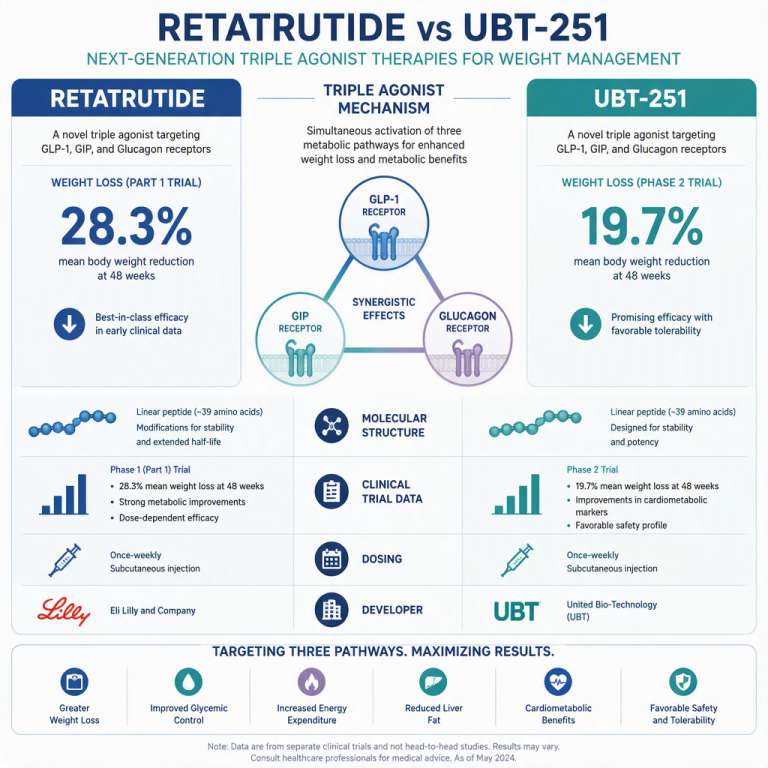
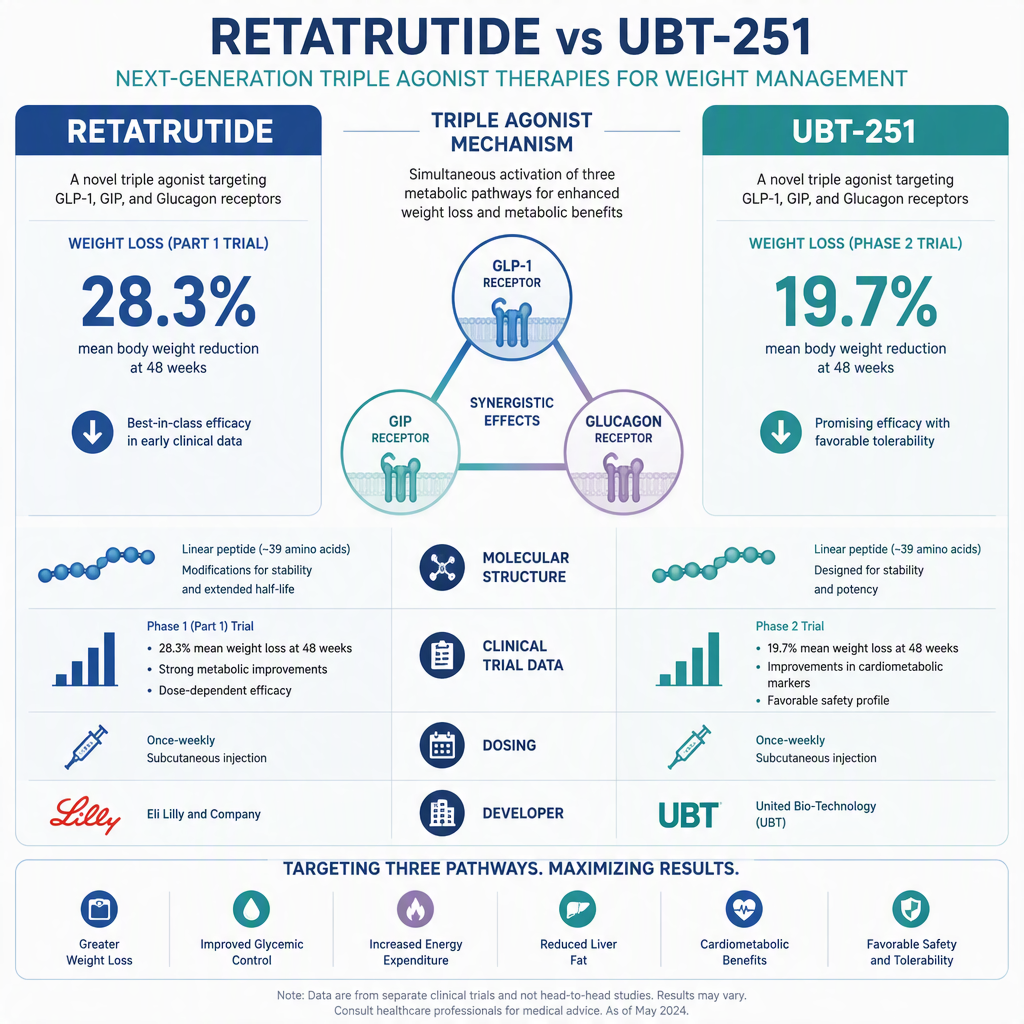
Retatrutide vs UBT-251: The Complete Triple Agonist Comparison
Are we already saying goodbye to retatrutide because of UBT-251? Not so fast. But UBT-251 just made the triple agonist race a lot more competitive—and here's what that means for…